

Devices of difference: Bodily aesthetics, funerary landscape, and school governance
Vol. 14 No. 2 (2025)
The Volume 14, Number 2 (July–December 2025) issue of TRAMA. Revista de Ciencias Sociales y Humanidades gathers three research articles that explore how bodies, landscapes, and institutions shape contemporary social experience. Through interdisciplinary perspectives grounded in sociology of the body, classical studies, critical theory, and educational policy analysis, the contributions examine the symbolic, cultural, and political forces that structure inequality, memory, and governance.
This issue includes a study on tattooed corporeality as a surface where class, gender, and racial hierarchies are inscribed and contested in urban contexts; a hermeneutic reading of the funerary landscape in Book XXIII of the Iliad, analyzing the interplay between ritual, emotion, and territory in the Homeric world; and a critical assessment of school governance in Colombia, highlighting the tensions between formal inclusion, structural exclusion, and processes of hidden privatization. Together, these works reaffirm TRAMA’s commitment to rigorous, situated scholarship and to fostering critical reflection that illuminates—and challenges—the social conditions shaping our shared realities.
Thresholds of the Possible: Aesthetics, Empathy, and Postcolonial Critique
Vol. 14 No. 1 (2025)
The Volume 14, Number 1 (January–June 2025) of TRAMA. Journal of Social Sciences and Humanities brings together three rigorous and thought-provoking studies that establish a critical dialogue between Aesthetics, Neurophilosophy, and Cultural Studies. From complementary perspectives, the authors explore the intersections among art, cognition, and postcolonial thought, offering interdisciplinary insights that transcend conventional academic boundaries.
This issue includes reflections on the relevance of the Kantian notion of beauty in contemporary art, a theoretical and neurobiological analysis of empathy as an evolutionary phenomenon, and a study of the spaces of postcolonial critique in Latin America and the Caribbean. Through these contributions, TRAMA reaffirms its commitment to critical inquiry and plural thinking.
TRAMA Revista de Ciencias Sociales y Humanidades
Vol. 13 No. 2 (2024)
Vol. 12 Núm. 2 (2023): Trama, revista de ciencias sociales y humanidades
Vol. 12 No. 2 (2023)
Trama, revista de ciencias sociales y humanidades
Vol. 12 No. 1 (2023)
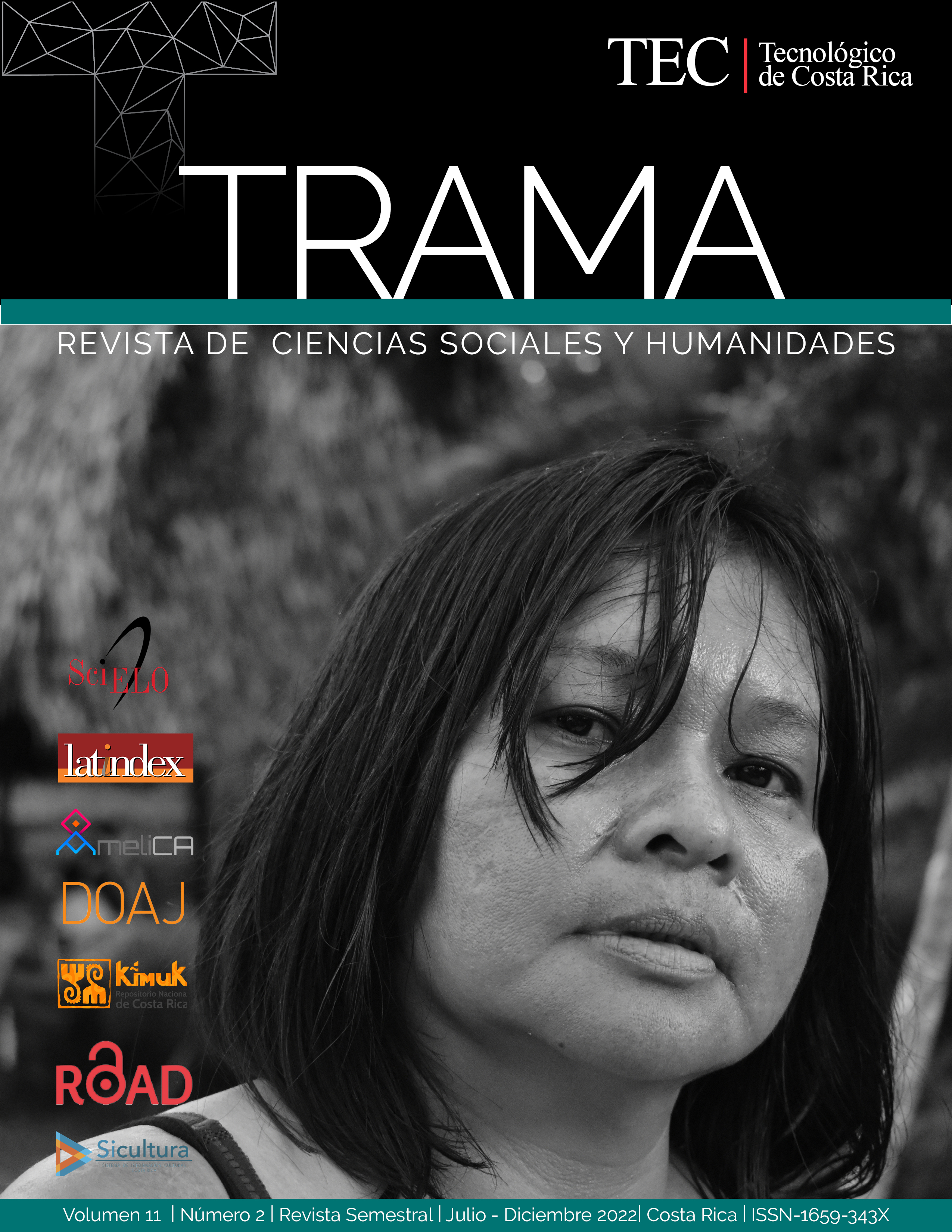
Trama, revista de ciencias sociales y humanidades
Vol. 11 No. 2 (2022)
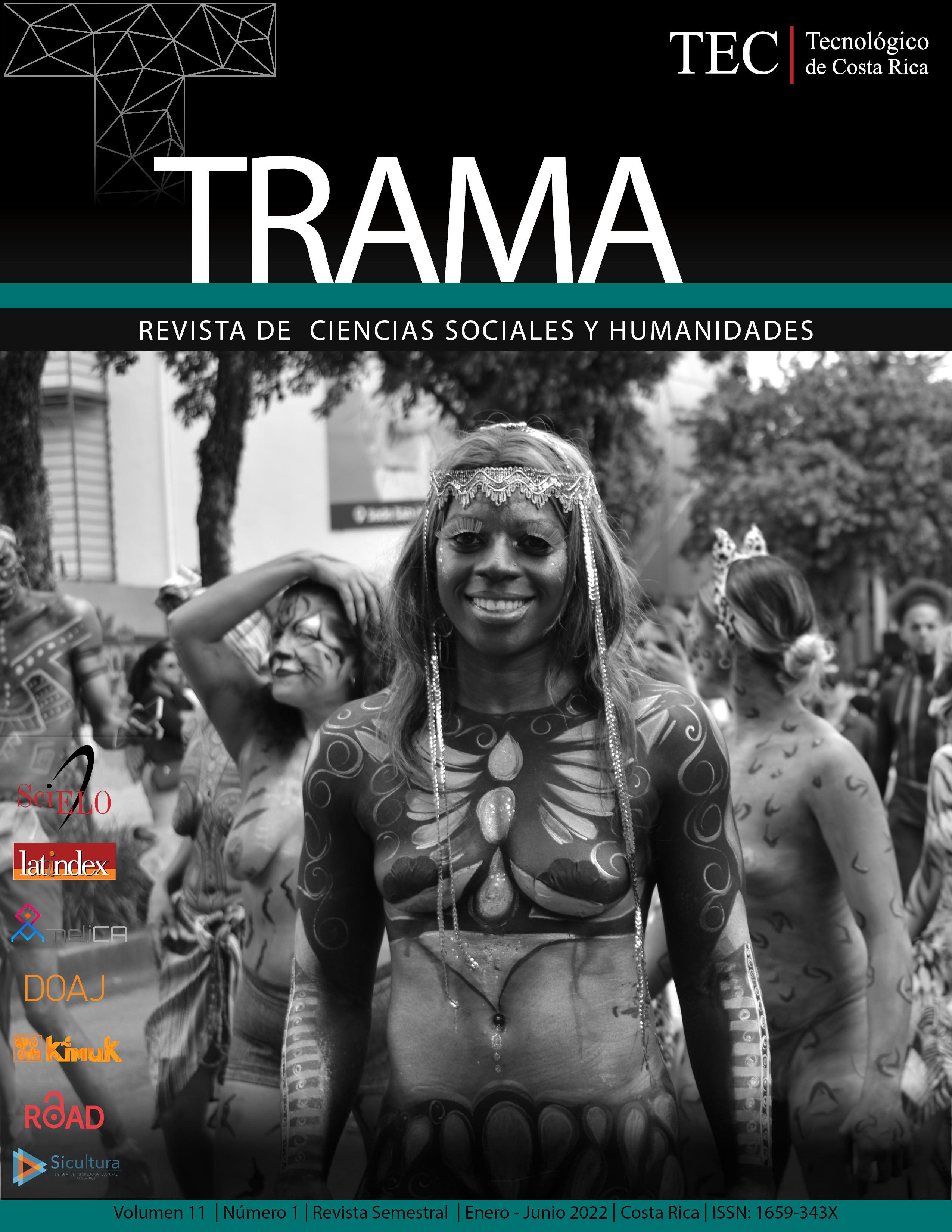
Trama, revista de ciencias sociales y humanidades
Vol. 11 No. 1 (2022)
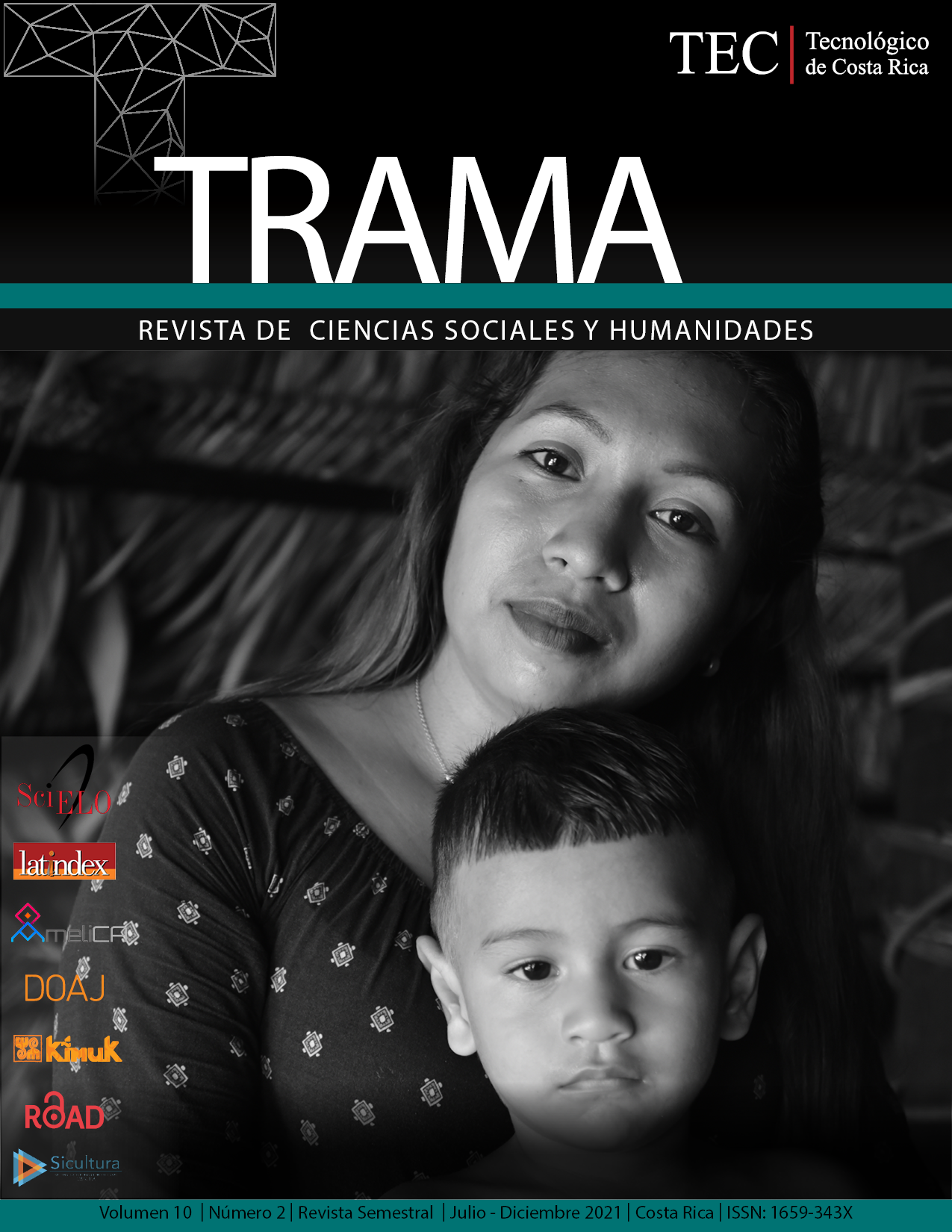
Trama, revista de ciencias sociales y humanidades
Vol. 10 No. 2 (2021)